In today’s competitive global trade environment, importers constantly face a critical decision: private label vs branded FMCG what importers should choose. This choice directly impacts profitability, brand positioning, and long-term scalability.
For companies like Western Impex UK, which operate in a dynamic and fast-moving consumer goods (FMCG) market, selecting the right model can define success or failure. Should you invest in building your own private label brand, or rely on established branded FMCG products?
This in-depth guide explores private label vs branded FMCG what importers should choose, focusing on margins, control, scalability, and strategic growth opportunities.
Understanding FMCG Import Models
Before diving deeper into private label vs branded FMCG what importers should choose, it’s important to understand the two core models.
What Is Private Label FMCG?
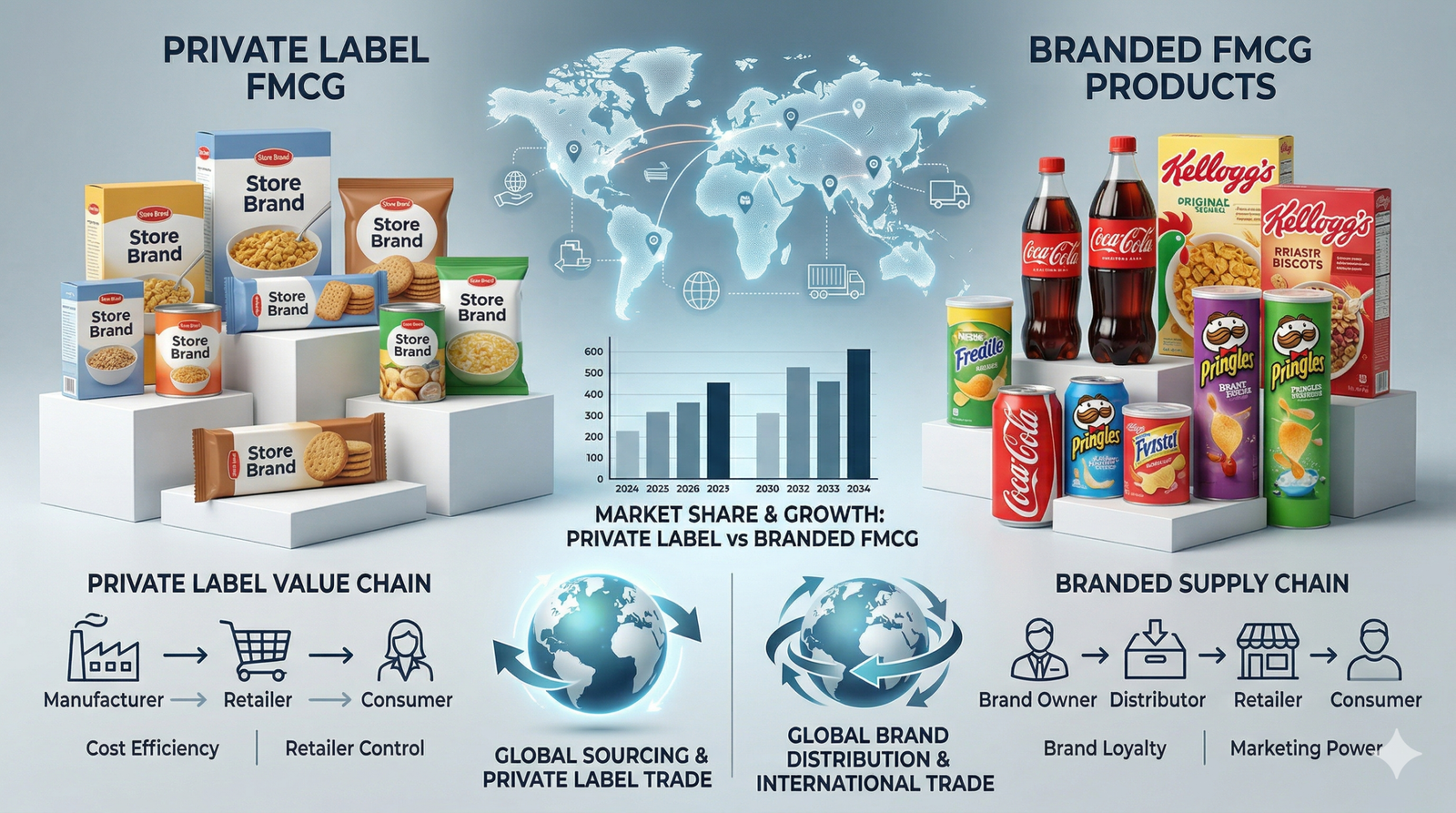
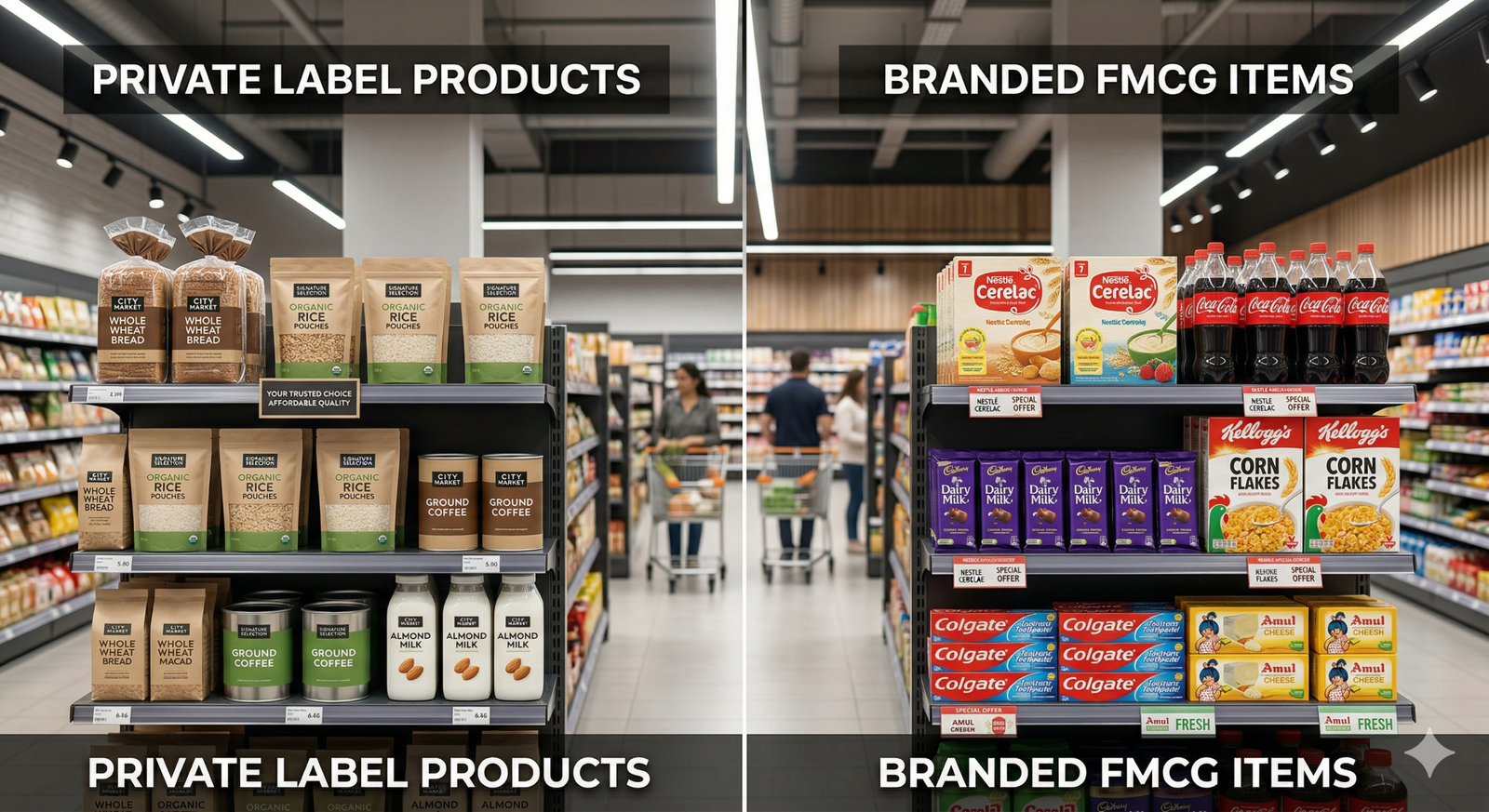
Private label products are manufactured by third parties but sold under the importer’s brand name.
Examples include:
- Supermarket own-brand snacks
- Custom-branded spices
- Retailer-exclusive packaged foods
What Is Branded FMCG?
Branded FMCG products are produced and marketed by established companies, such as multinational brands, and sold by importers or distributors.
Why This Decision Matters for Importers
The debate around private label vs branded FMCG what importers should choose is not just theoretical—it has real financial and operational implications.
Key Impact Areas
- Profit margins
- Brand ownership
- Market differentiation
- Business scalability
Choosing the right approach determines how much control and profit an importer retains.
Profit Margins: Which Model Wins?
One of the most important factors in private label vs branded FMCG what importers should choose is profitability.
Private Label Margins
Private label products typically offer:
- Lower production costs
- No brand royalty fees
- Higher markup potential
This leads to significantly higher profit margins.
Branded FMCG Margins
Branded products often come with:
- Fixed pricing structures
- Lower margins
- Limited flexibility
Verdict: Private label clearly wins in terms of margin potential in the debate of private label vs branded FMCG what importers should choose.
Control and Brand Ownership
Another key consideration in private label vs branded FMCG what importers should choose is control.
Private Label Advantages
- Full control over branding
- Ability to customize products
- Direct relationship with customers
Branded FMCG Limitations
- No control over branding
- Dependence on supplier decisions
- Limited differentiation
Conclusion: Private label offers unmatched control, making it a strong choice in private label vs branded FMCG what importers should choose.
Scalability and Long-Term Growth
When evaluating private label vs branded FMCG what importers should choose, scalability is a major factor.
Private Label Scalability
- Easy to expand product lines
- Build a brand portfolio
- Enter new markets with the same brand
Branded FMCG Scalability
- Limited to distribution agreements
- Growth tied to brand owner
Private label enables long-term business growth and asset creation, making it highly scalable.
Market Differentiation
Standing out in a crowded market is crucial. This is where private label vs branded FMCG what importers should choose becomes even more relevant.
Private Label Advantage
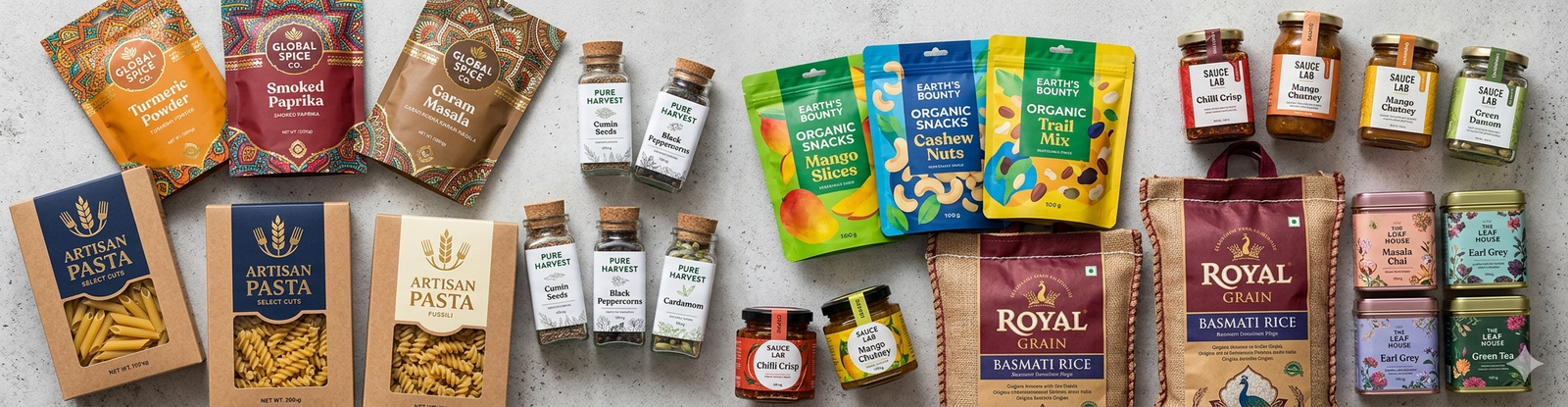
- Unique packaging
- Custom formulations
- Targeted branding
Branded FMCG Challenge
- Competing with other distributors
- Price-based competition
Private label allows importers to build a unique identity, rather than competing on price alone.
Investment and Risk Comparison
Every business decision involves risk, and private label vs branded FMCG what importers should choose is no exception.
Private Label Risks
- Initial branding investment
- Marketing costs
- Market acceptance uncertainty
Branded FMCG Risks
- Low margins
- High competition
- Dependence on external brands
While private label requires more upfront effort, it offers greater long-term rewards.
Supply Chain Flexibility
Supply chain control is another important factor in private label vs branded FMCG what importers should choose.
Private Label Benefits
- Choose your suppliers
- Adjust production volumes
- Control pricing strategy
Branded FMCG Constraints
- Fixed supply chain
- Limited negotiation power
Flexibility gives private label a strong edge.
Role of Western Impex UK in FMCG Importing
For companies like Western Impex UK, understanding private label vs branded FMCG what importers should choose is essential for strategic positioning.
By focusing on private label opportunities, importers can:
- Build long-term brand equity
- Improve margins
- Expand globally
At the same time, branded FMCG can still play a role in diversifying product portfolios.
When Should Importers Choose Private Label?
In the context of private label vs branded FMCG what importers should choose, private label is ideal when:
- You want higher profit margins
- You aim to build your own brand
- You plan for long-term growth
- You want market differentiation
When Should Importers Choose Branded FMCG?
Branded FMCG may be suitable when:
- You need quick market entry
- You lack branding resources
- You want lower initial risk
However, the long-term limitations should be carefully considered.
Hybrid Strategy: The Best of Both Worlds
Many successful importers resolve private label vs branded FMCG what importers should choose by adopting a hybrid model.
How It Works
- Sell branded products for steady cash flow
- Develop private label for higher margins
This approach balances risk and growth.
Future Trends in FMCG Importing
The future of private label vs branded FMCG what importers should choose is evolving rapidly.
Key Trends
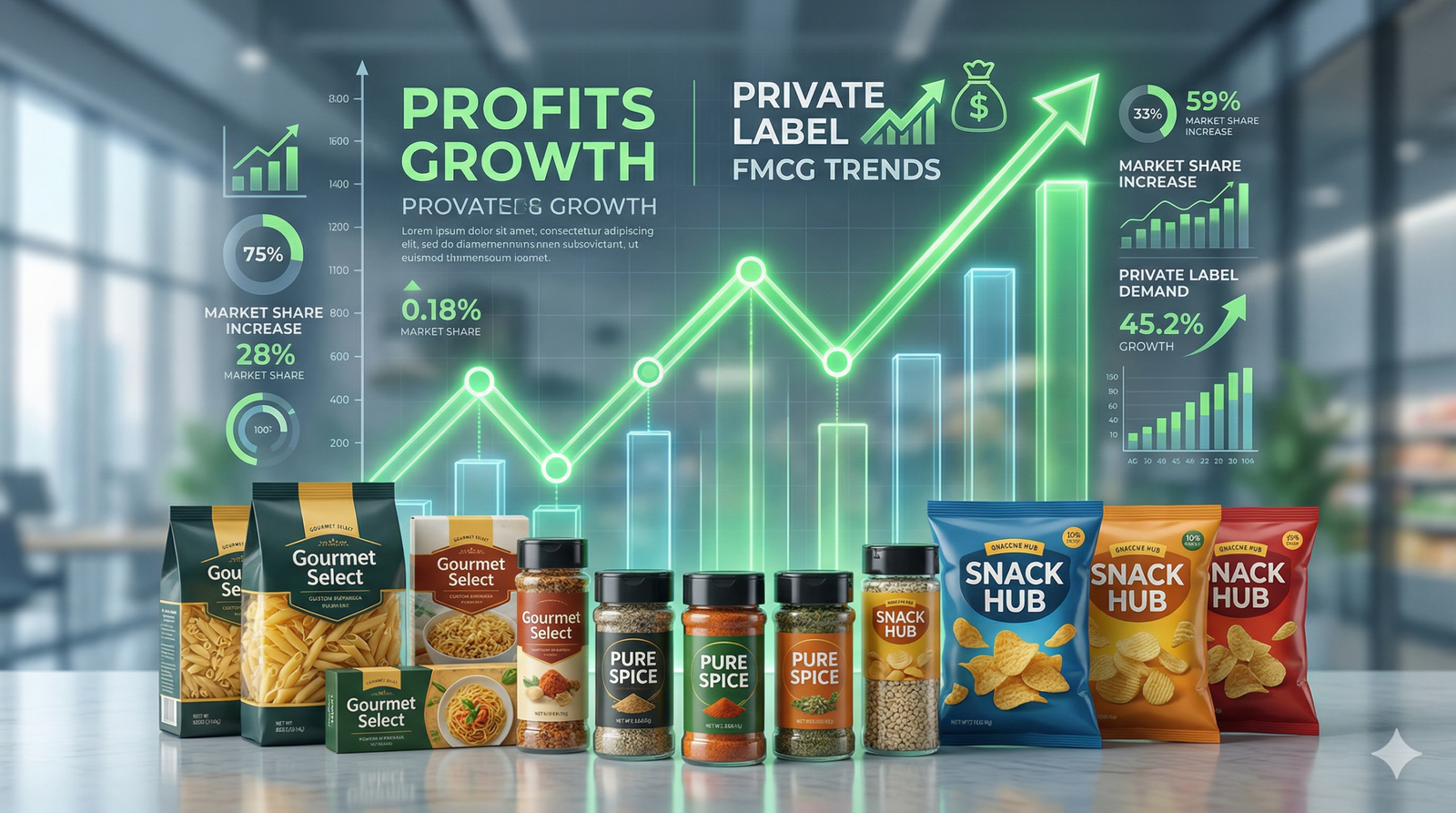
- Growth of private label brands globally
- Increasing consumer trust in store brands
- Demand for unique and niche products
Private label is no longer seen as a budget option—it is becoming a premium strategy.
Conclusion
The decision of private label vs branded FMCG what importers should choose ultimately depends on business goals, resources, and long-term vision.
Private label offers higher margins, full control, and scalability, making it ideal for importers looking to build lasting brand value. On the other hand, branded FMCG provides quick market access and lower initial investment, but with limited growth potential.
For companies like Western Impex UK, the smartest strategy often lies in combining both models—leveraging branded products for stability while investing in private label for long-term success.
In the evolving global market, those who prioritize branding, differentiation, and strategic growth will lead the future of FMCG importing.