Top Indian Spices in Global Demand (2026 Market Trends)
Indian spices have been at the heart of global trade for centuries, and in 2026, their demand is stronger than ever. From traditional kitchens to modern health-conscious consumers, the world continues to embrace the richness, flavor, and medicinal value of Indian spices.
If you’re an importer, distributor, or entrepreneur looking to enter the spice trade, understanding the Top Indian Spices in Global Demand is essential. This guide explores current trends, high-demand spices, export opportunities, and how you can leverage this booming market.
Why Indian Spices Dominate the Global Market
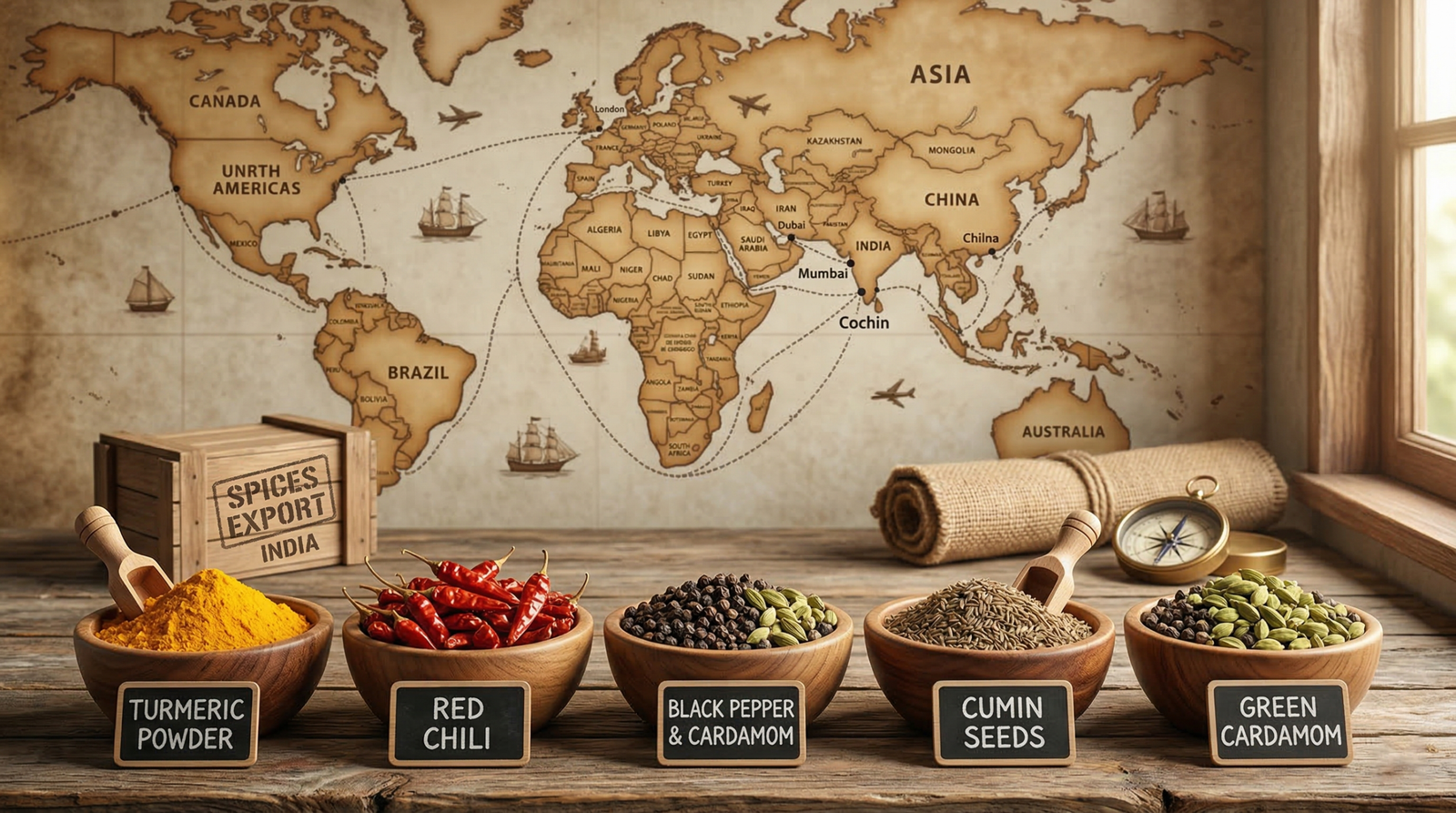
India is the largest producer and exporter of spices globally. The country’s diverse climate and agricultural expertise allow it to produce a wide range of high-quality spices.
Key Reasons for Global Demand:
- Superior quality and aroma
- Competitive pricing
- Large-scale production capacity
- Strong export infrastructure
Indian spices are trusted worldwide for both culinary and medicinal uses.
Global Spice Market Overview in 2026
The global spice market is witnessing steady growth due to:
- Rising interest in ethnic cuisines
- Increased use of natural ingredients
- Growing health awareness
Market Insights:
- Strong demand in the UK, USA, Middle East, and Europe
- Surge in organic and chemical-free spices
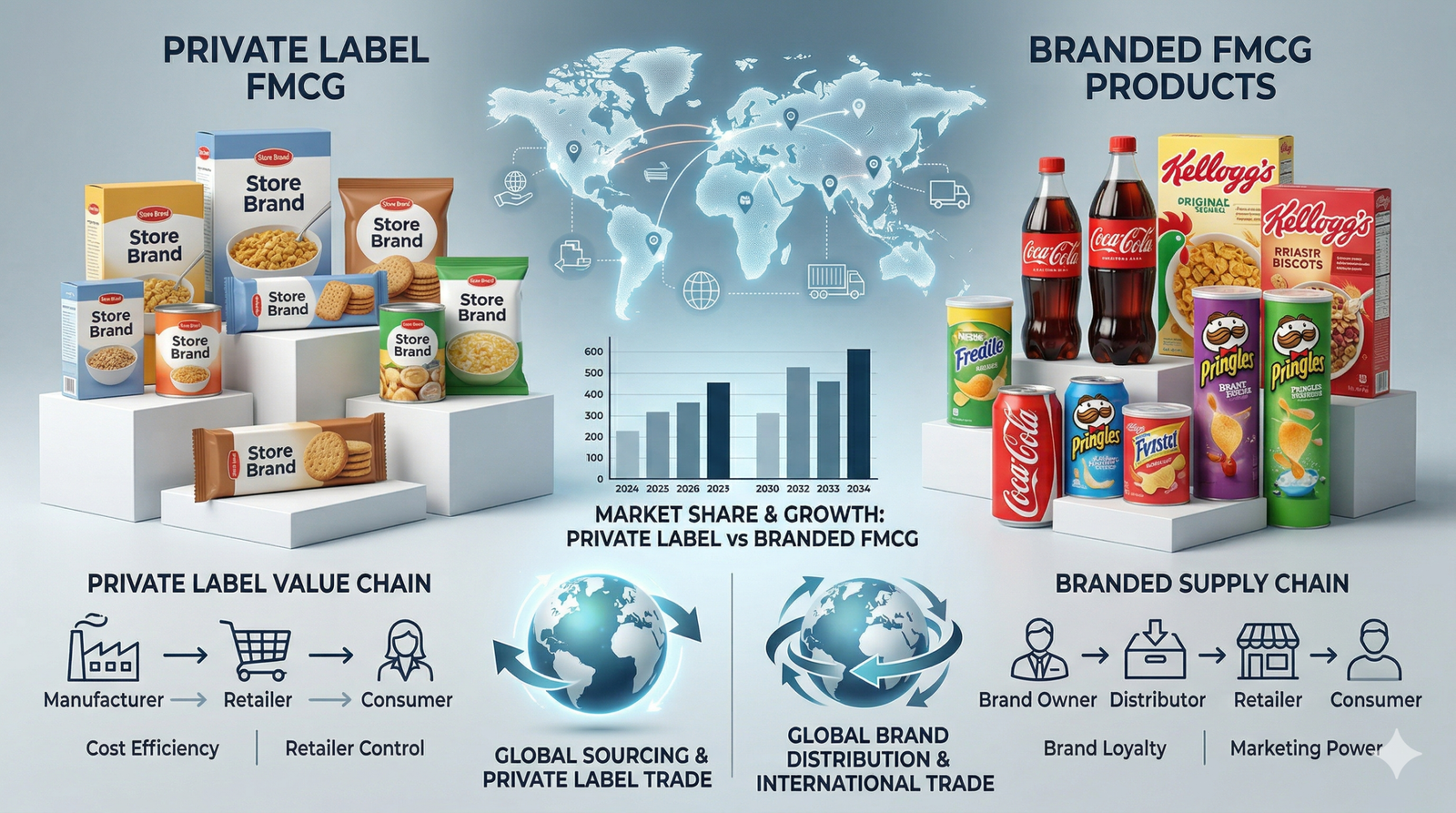
- Expansion of private label spice brands
The spice trade is no longer traditional—it is now a modern, scalable global business.
Top Indian Spices in Global Demand
Let’s explore the most sought-after spices dominating international markets.
Turmeric: The Golden Spice
Turmeric continues to lead the global spice demand due to its health benefits.
Why It’s in Demand:
- Anti-inflammatory properties
- Widely used in supplements and wellness products
- Popular in Western markets
Key Export Markets:
- USA
- UK
- Germany
Turmeric is no longer just a spice—it’s a global health product.
Red Chilli: The Flavor Booster
Indian red chilli is known for its vibrant color and strong heat.
Demand Drivers:
- Used in global cuisines
- Essential in processed foods
- High demand in spice blends
Popular Varieties:
- Guntur chilli
- Kashmiri chilli
Consistent demand makes chilli a stable export product.
Black Pepper: The King of Spices
Black pepper remains one of the most traded spices worldwide.
Why It’s Popular:
- Used in almost every cuisine
- High medicinal value
- Essential for seasoning and preservation
Export Highlights:
- Strong demand in Europe and North America
Black pepper offers strong margins and global appeal.
Cumin Seeds: A Global Staple
Cumin is widely used in Middle Eastern, Indian, and Mexican cuisines.
Key Factors:
- Unique flavor profile
- Used in spice blends and ready-to-eat meals
- Growing demand in packaged foods
Cumin is a high-volume export product with consistent demand.
Cardamom: The Premium Spice
Cardamom is one of the most expensive spices, known for its aroma.
Why It Stands Out:
- Used in desserts, beverages, and luxury products
- Strong demand in Gulf countries
High value makes cardamom ideal for premium markets.
Coriander: The Versatile Ingredient
Coriander seeds and powder are widely used globally.
Demand Drivers:
- Mild flavor suitable for multiple cuisines
- Used in food processing industries
Coriander is a low-risk, high-demand export option.
Emerging Trends in Spice Demand
The spice market is evolving rapidly.
Key Trends in 2026:
- Organic spices gaining popularity
- Increased demand for ready-to-use spice blends
- Growth of private label brands
- Focus on traceability and quality assurance
Buyers are now more quality-conscious than ever before.
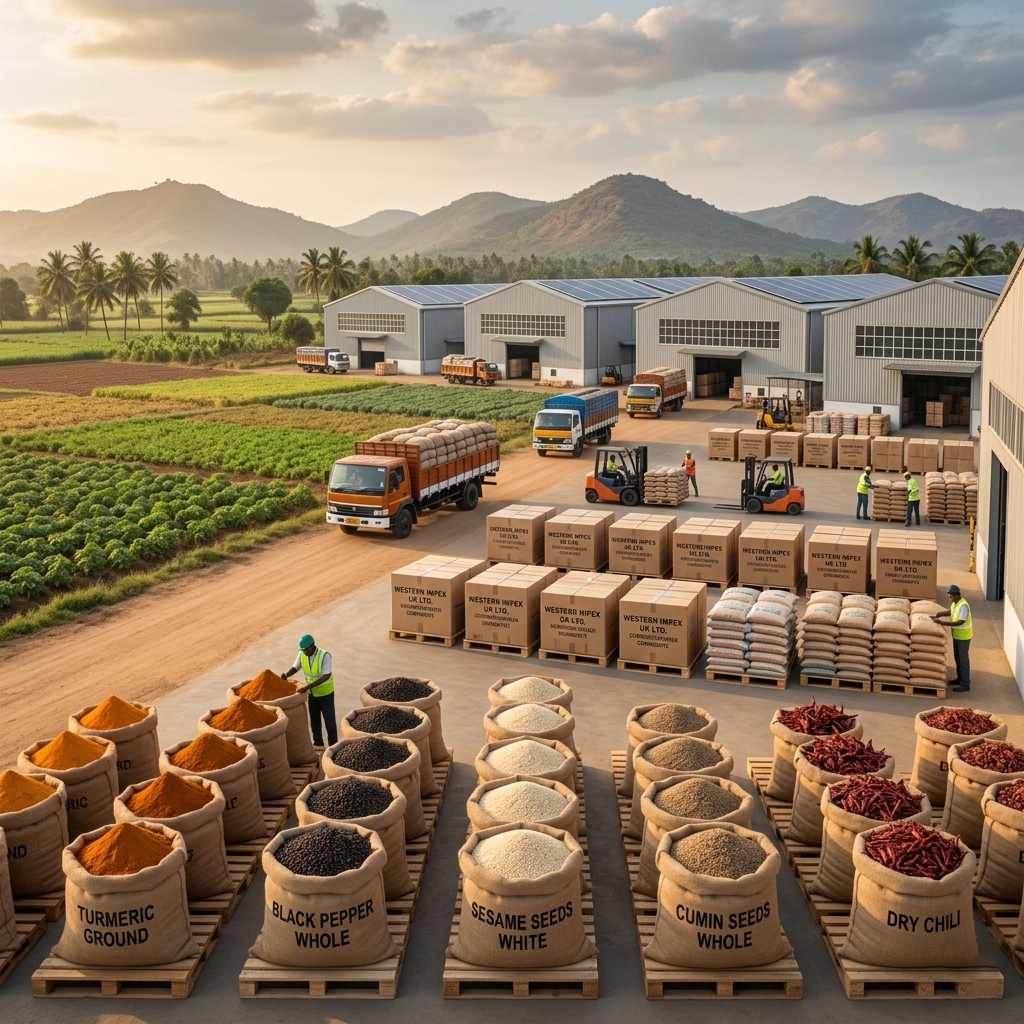
High-Growth Export Markets for Indian Spices
Understanding where demand is growing helps you target the right markets.
Top Regions:
- United Kingdom
- United States
- UAE & Saudi Arabia
- Europe (Germany, Netherlands)
Why These Markets Matter:
- High purchasing power
- Strong import dependency
- Expanding ethnic food demand
Targeting the right market can significantly boost profitability.
Export Opportunities for New Importers
Entering the spice trade has become more accessible.
Opportunities Include:
- Private label spice brands
- Bulk supply to wholesalers
- E-commerce spice businesses
Entry Strategy:
- Start with 2–3 high-demand spices
- Focus on quality and packaging
- Build supplier relationships
Even small-scale importers can scale quickly with the right strategy.
Challenges in the Global Spice Market
While opportunities are high, challenges exist.
Common Issues:
- Price fluctuations
- Quality inconsistency
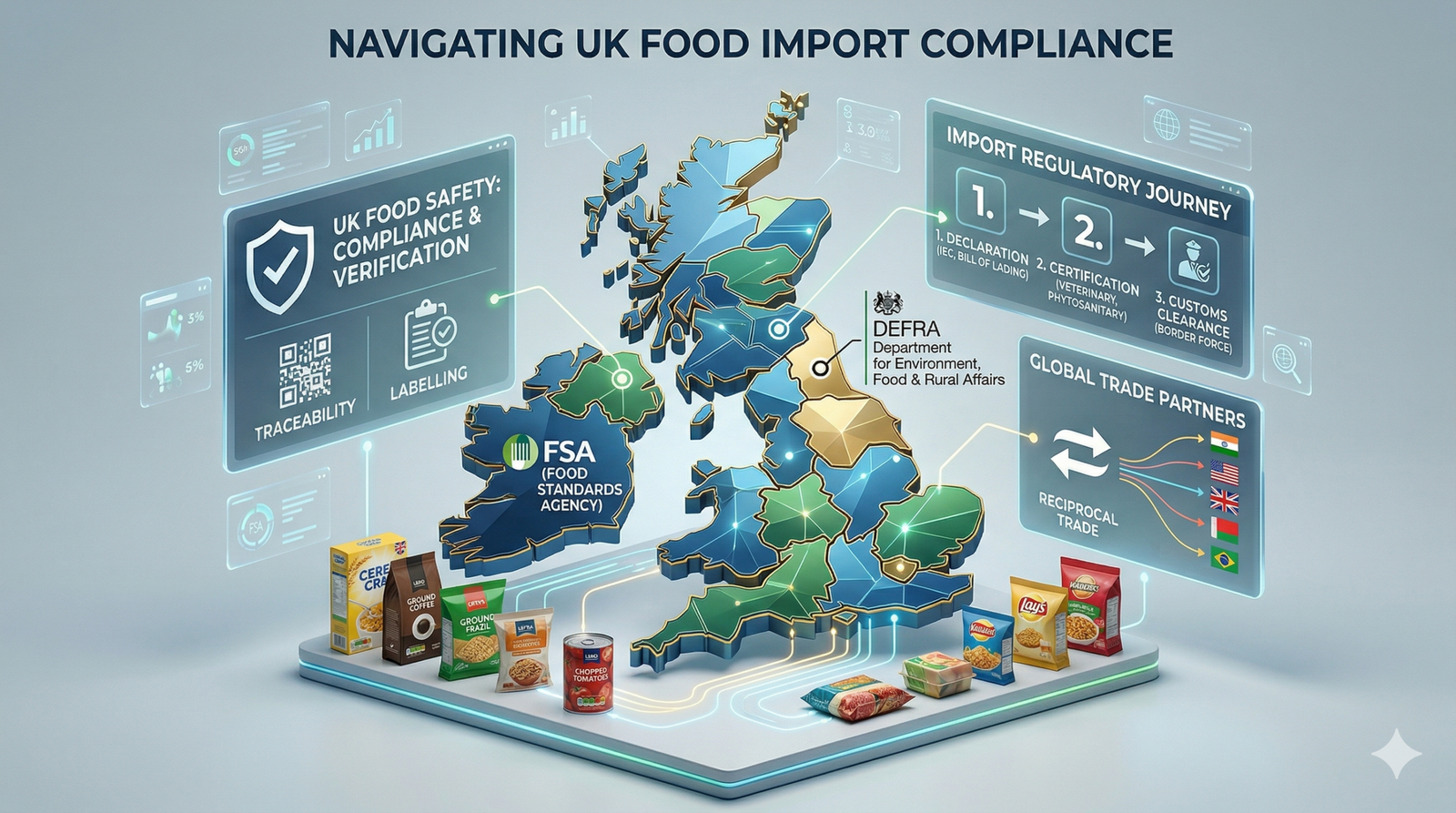
- Regulatory compliance
Solutions:
- Work with verified suppliers
- Maintain strict quality checks
- Stay updated with import regulations
Preparedness reduces risks significantly.
How to Choose the Right Spice for Import
Not all spices are equal in profitability.
Factors to Consider:
- Market demand
- Shelf life
- Storage requirements
- Profit margins
Recommended Approach:
- Combine high-volume and high-margin spices
A balanced portfolio ensures stable growth.
Private Label vs Bulk Spice Trade
Choosing the right business model is crucial.
Bulk Trade:
- Lower margins
- High volume
- Faster turnover
Private Label:
- Higher margins
- Brand ownership
- Long-term scalability
Private labeling offers better long-term growth potential.
Future of Indian Spice Exports
The future looks highly promising.
Growth Drivers:
- Increasing global population
- Rising food consumption
- Demand for natural ingredients
What to Expect:
- More automation in supply chains
- Higher quality standards
- Expansion into new markets
Indian spices will continue to dominate global trade.
Conclusion
The Top Indian Spices in Global Demand are not just agricultural products—they are powerful business opportunities. With strong global demand, expanding markets, and increasing consumer awareness, the spice trade offers immense potential for importers and entrepreneurs.
By focusing on high-demand spices like turmeric, chilli, black pepper, and cumin, and aligning with current market trends, you can build a profitable and scalable business in 2026 and beyond.
Success in this industry comes down to quality sourcing, market understanding, and strategic execution.