UK Import Regulations for Food Products (Updated Guide)
Understanding UK import regulations for food products updated guide is essential for businesses involved in global food trade. With strict compliance requirements, labeling standards, and safety regulations, importing food into the UK requires careful planning and execution.
For companies like Western Impex UK, staying updated with the latest compliance frameworks ensures smooth import operations and avoids costly penalties. This UK import regulations for food products updated guide will walk you through everything you need to know—from labeling and certification to FSSAI and UK compliance standards.
Why Compliance Matters in Food Imports
The UK import regulations for food products updated guide is not just about rules—it’s about ensuring consumer safety, product quality, and legal compliance.
Key Reasons to Follow Regulations
- Protect consumer health
- Avoid shipment rejection
- Prevent legal penalties
- Build brand credibility
Failure to comply with the UK import regulations for food products updated guide can result in serious consequences, including product recalls and fines.
Overview of UK Food Import Authorities
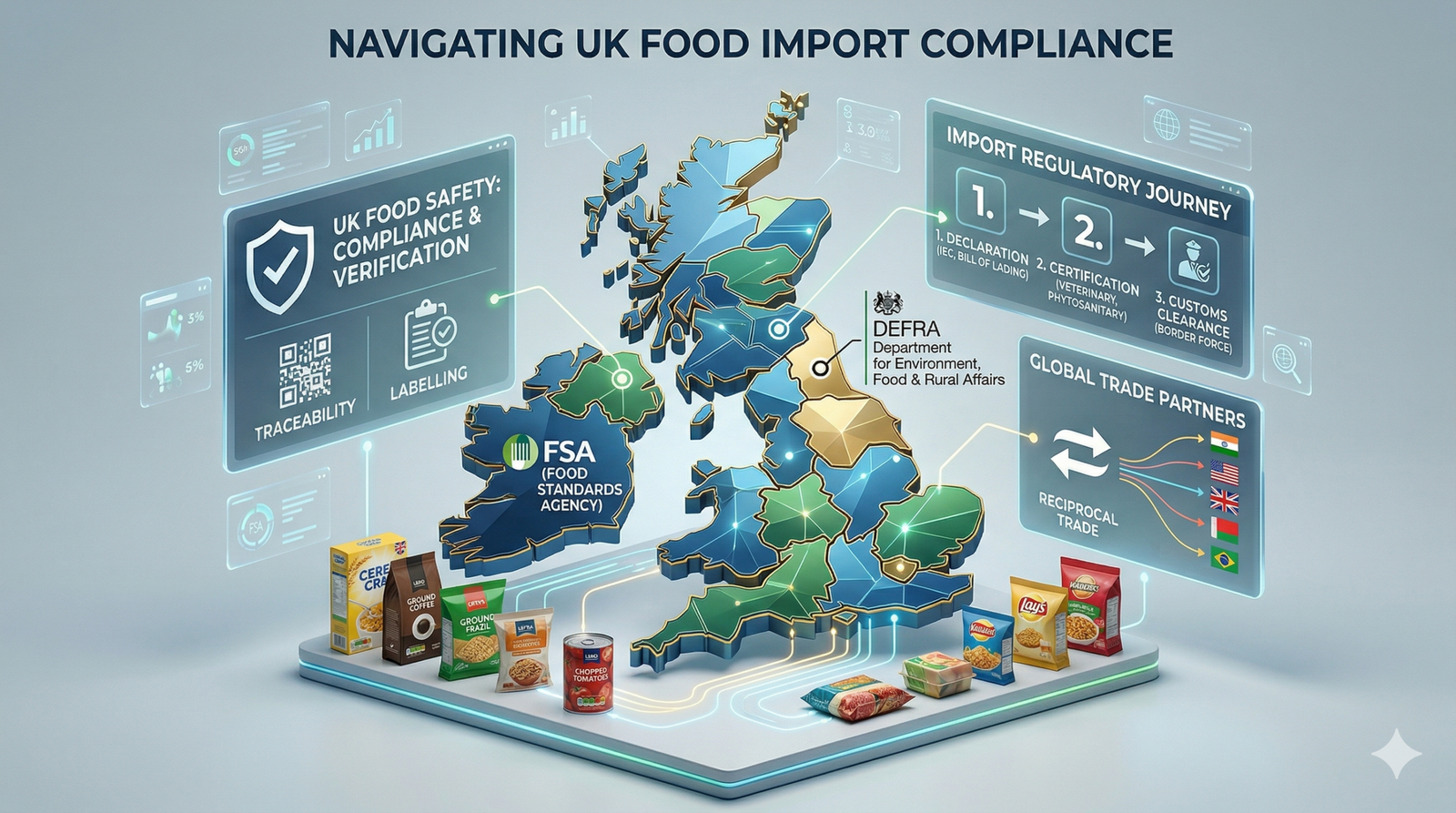
To fully understand the UK import regulations for food products updated guide, it’s important to know the governing bodies.
Key Authorities
- Food Standards Agency (FSA)
- Department for Environment, Food & Rural Affairs (DEFRA)
- HM Revenue & Customs (HMRC)
These organizations enforce the UK import regulations for food products updated guide and ensure that all imported food meets safety standards.
Understanding FSSAI and Its Role in Exports
Although FSSAI is an Indian authority, it plays a vital role in the UK import regulations for food products updated guide when sourcing from India.
What Is FSSAI?
The Food Safety and Standards Authority of India regulates food safety and hygiene in India.
Why It Matters for UK Imports
- Ensures quality at the source
- Builds trust with UK authorities
- Supports smoother import clearance
Compliance with FSSAI standards complements the UK import regulations for food products updated guide.
Food Labeling Requirements in the UK
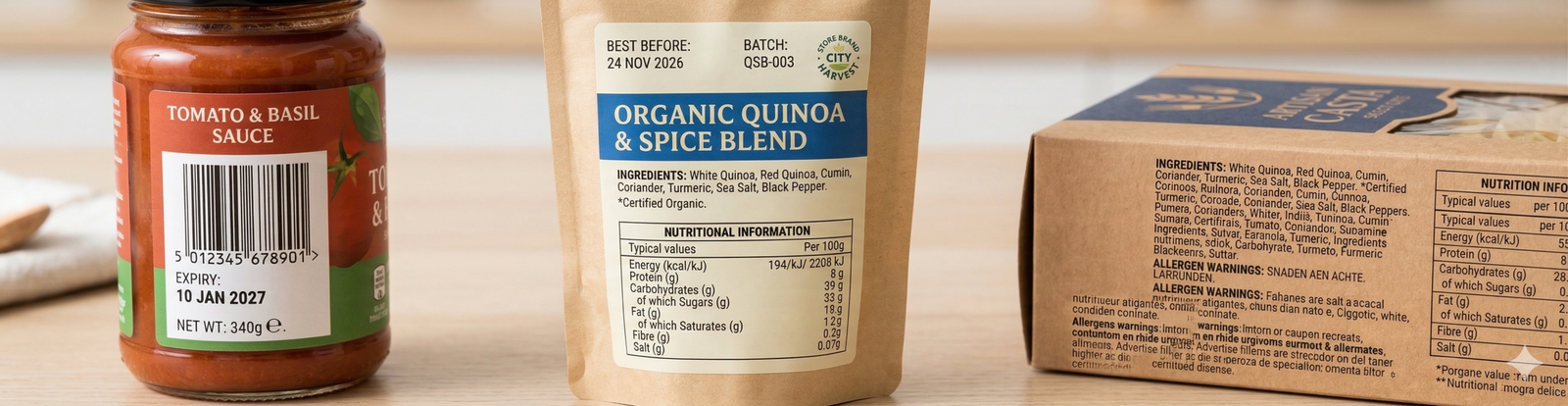
Labeling is one of the most critical aspects of the UK import regulations for food products updated guide.
Mandatory Label Information
- Product name
- Ingredients list
- Allergen information
- Net quantity
- Expiry or best-before date
- Country of origin
Language Requirements
Labels must be in English and easy to understand.
Incorrect labeling is one of the most common reasons for non-compliance with the UK import regulations for food products updated guide.
Packaging and Food Safety Standards
Packaging plays a key role in maintaining product integrity under the UK import regulations for food products updated guide.
Key Packaging Guidelines
- Use food-grade materials
- Ensure tamper-proof sealing
- Maintain hygiene standards
Food Safety Certifications
- HACCP
- ISO standards
- BRC certification
These standards align with the UK import regulations for food products updated guide and help ensure product safety.
Import Documentation Requirements
Proper documentation is essential in the UK import regulations for food products updated guide.
Key Documents Needed
- Commercial Invoice
- Packing List
- Bill of Lading / Airway Bill
- Certificate of Origin
- Health Certificate
Incomplete documentation can delay shipments and violate the UK import regulations for food products updated guide.

Customs Clearance and Duties
Customs clearance is a vital step in the UK import regulations for food products updated guide.
Key Considerations
- Import duties and VAT
- Commodity codes
- Customs declarations
Working with experienced customs brokers ensures compliance with the UK import regulations for food products updated guide.
Pre-Import Notifications and Checks
Certain food products require advance notification under the UK import regulations for food products updated guide.
What You Need to Do
- Notify authorities before shipment arrival
- Submit required documentation
- Prepare for inspections
This step is crucial for high-risk food items.
Common Challenges Faced by Importers
Even with a clear UK import regulations for food products updated guide, importers face challenges.
Typical Issues
- Labeling errors
- Delayed approvals
- Miscommunication with suppliers
- Regulatory changes
Solutions
- Stay updated with regulations
- Work with reliable suppliers
- Conduct pre-shipment inspections
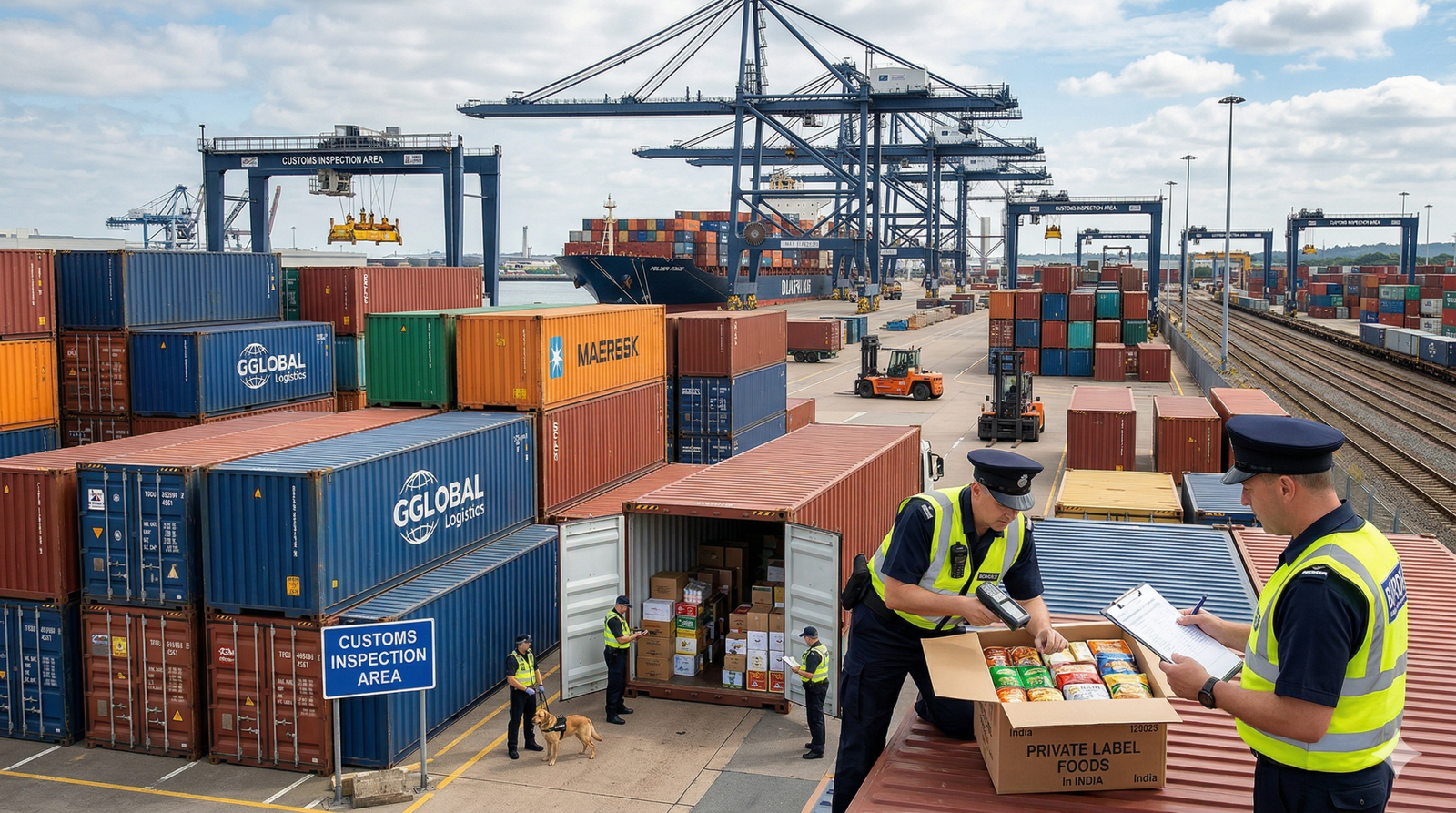
Role of Western Impex UK in Compliance
For businesses like Western Impex UK, mastering the UK import regulations for food products updated guide is key to success.
How They Add Value
- Ensure supplier compliance
- Manage documentation
- Oversee quality control
- Handle logistics efficiently
This expertise helps streamline the entire import process.
Best Practices for Importing Food into the UK
To succeed with the UK import regulations for food products updated guide, follow these best practices:
- Verify supplier certifications
- Double-check labeling compliance
- Maintain proper documentation
- Work with logistics experts
Consistency and attention to detail are critical.
Future Trends in UK Food Import Regulations
The UK import regulations for food products updated guide continues to evolve with changing global standards.
Emerging Trends
- Stricter food safety checks
- Increased focus on sustainability
- Digital documentation systems
Staying ahead of these trends ensures long-term success.
Conclusion
The UK import regulations for food products updated guide provides a comprehensive framework for businesses looking to import food into the UK successfully. From FSSAI compliance at the source to strict UK labeling and documentation requirements, every step plays a crucial role in ensuring smooth operations.
For companies like Western Impex UK, understanding and implementing these regulations is not just about compliance—it’s about building trust, ensuring quality, and achieving sustainable growth in the global food market.
By following this UK import regulations for food products updated guide, importers can minimize risks, avoid delays, and create a reliable supply chain that meets international standards.