Importing Spices to the UK: Complete Guide for 2026
The global demand for Indian spices continues to grow, and the UK remains one of the largest importers due to its diverse population and strong culinary culture. If you’re planning to enter this market, understanding the full process of importing spices to the UK is essential. From regulations and documentation to supplier selection and cost structures, every step plays a critical role in ensuring a smooth and profitable operation.
This comprehensive guide will walk you through everything you need to know in 2026, whether you’re a first-time importer or looking to scale your spice business.
Why Import Spices to the UK in 2026?
The UK spice market is expanding rapidly, driven by:
- Rising demand for ethnic cuisines
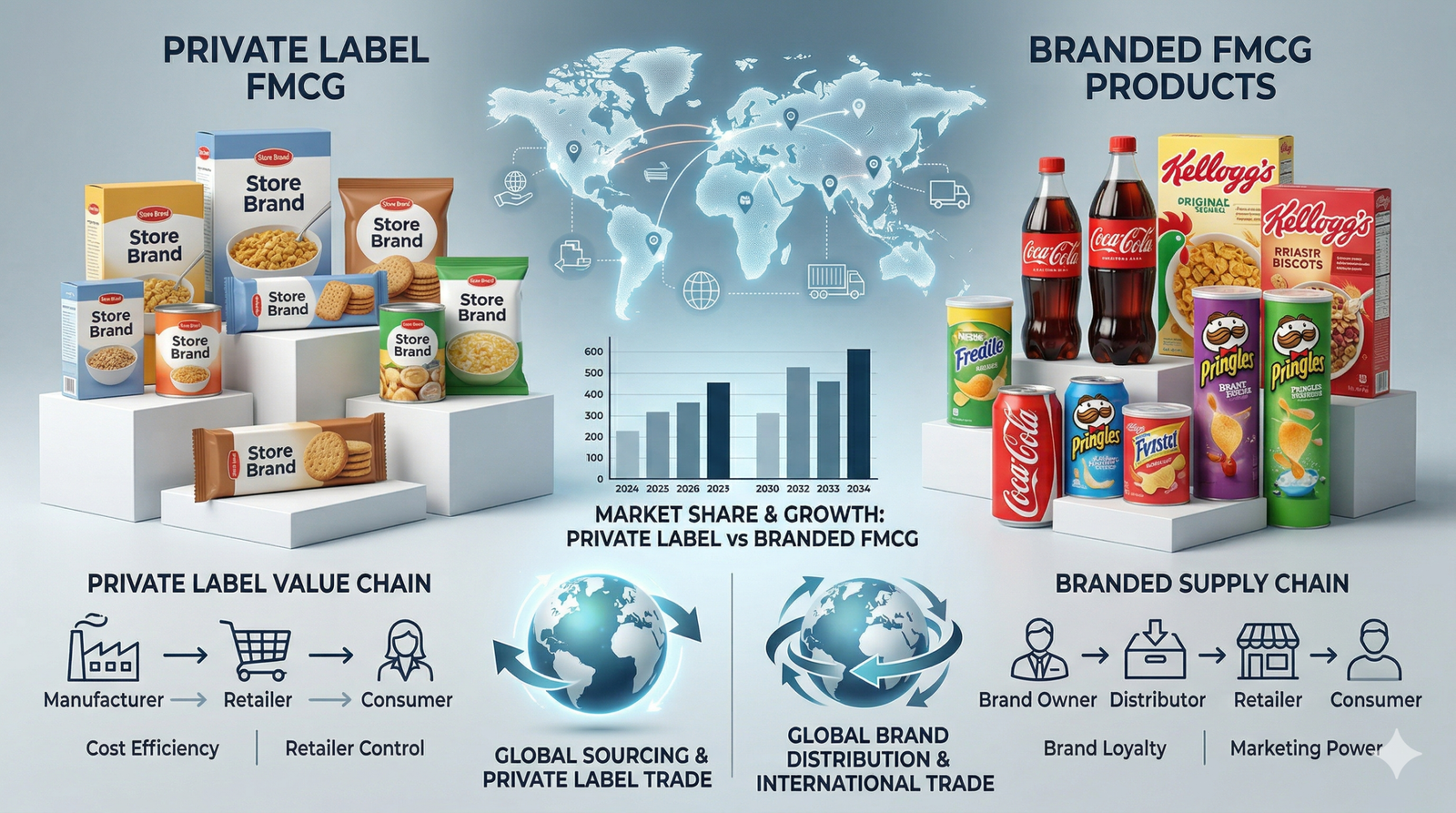
- Growth of private label food brands
- Increased interest in organic and natural products
Indian spices like turmeric, cumin, chilli, and cardamom are especially popular due to their quality and global reputation.
Key insight: The UK relies heavily on imports, making it a strong opportunity for new entrants.
Understanding the UK Spice Import Market
Before diving into logistics, it’s important to understand how the market works.
Key Characteristics:
- Highly regulated food import system
- Demand for consistent quality and compliance
- Strong presence of wholesalers and ethnic retailers
Major Buyers:
- Supermarkets
- FMCG distributors
- Restaurant suppliers
- Private label brands
Success in this market depends on compliance, quality, and pricing.
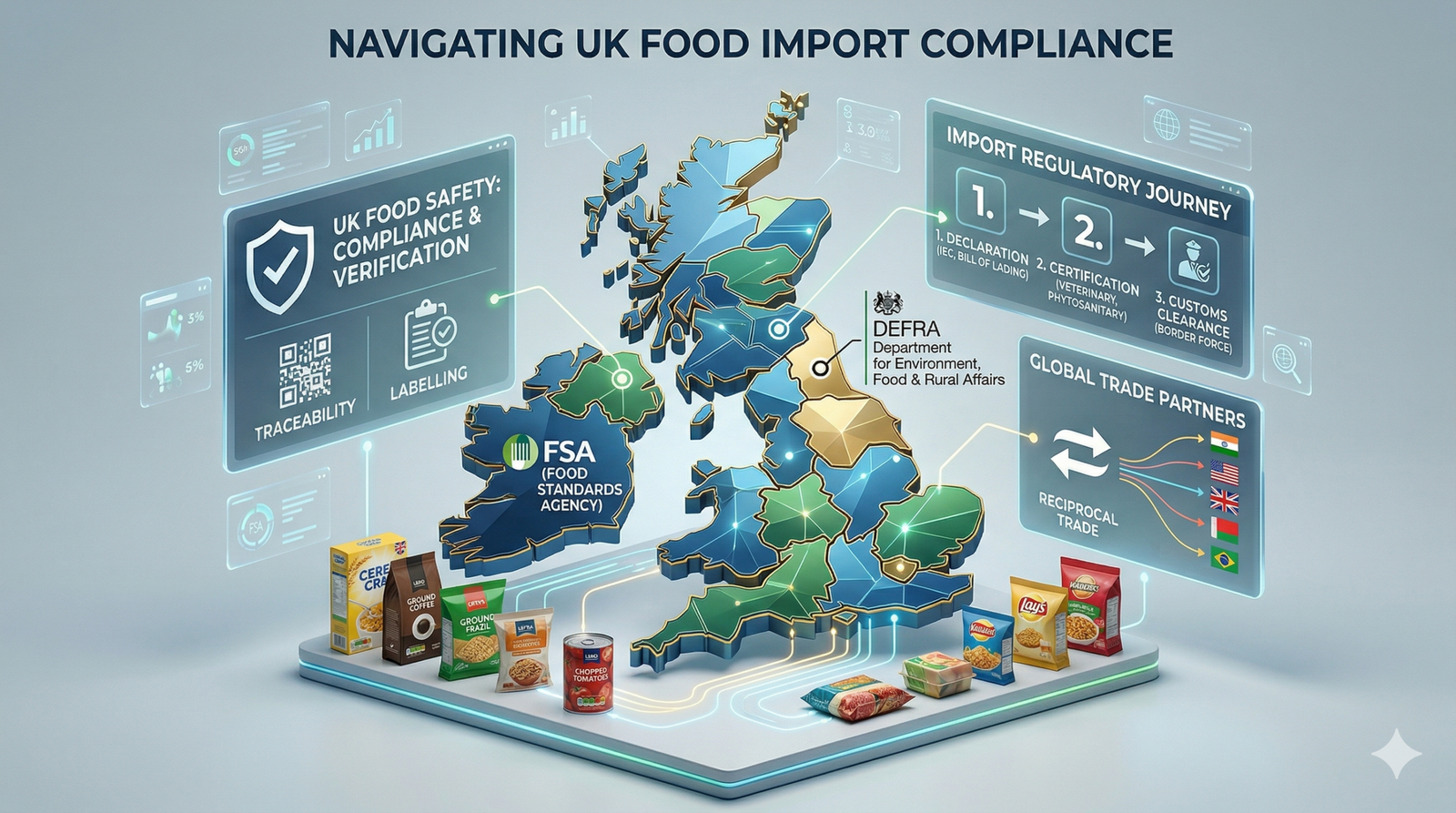
Legal Requirements for Importing Spices to the UK
One of the most critical aspects is compliance with UK import regulations.
You Must Have:
- EORI Number (Economic Operators Registration and Identification)
- Registered UK business entity
- Food import license (if applicable)
Regulatory Bodies:
- Food Standards Agency (FSA)
- UK Border Force
Failure to meet regulations can result in shipment rejection or heavy penalties.
Food Safety and Compliance Standards
Spices fall under food products, so strict safety standards apply.
Key Compliance Areas:
- Contamination control (pesticides, heavy metals)
- Microbial safety
- Proper handling and storage
Required Certifications:
- FSSAI (India)
- HACCP
- ISO certifications (recommended)
Always ensure your supplier meets international food safety standards.
Documentation Required for Importing Spices
Accurate documentation is essential for customs clearance.
Core Documents:
- Commercial Invoice
- Packing List
- Bill of Lading / Airway Bill
- Certificate of Origin
- Phytosanitary Certificate
- Certificate of Analysis (COA)
Additional Documents:
- Import declaration forms
- Insurance documents
Missing or incorrect documents can delay or block shipments.
Choosing the Right Supplier in India
Your supplier directly impacts your business success.
What to Check:
- Business registration (GST, IEC)
- Export experience
- Certifications
- Product samples
Red Flags:
- No documentation
- Inconsistent communication
- Unrealistically low prices
Always verify suppliers before placing bulk orders.
Types of Spices You Can Import
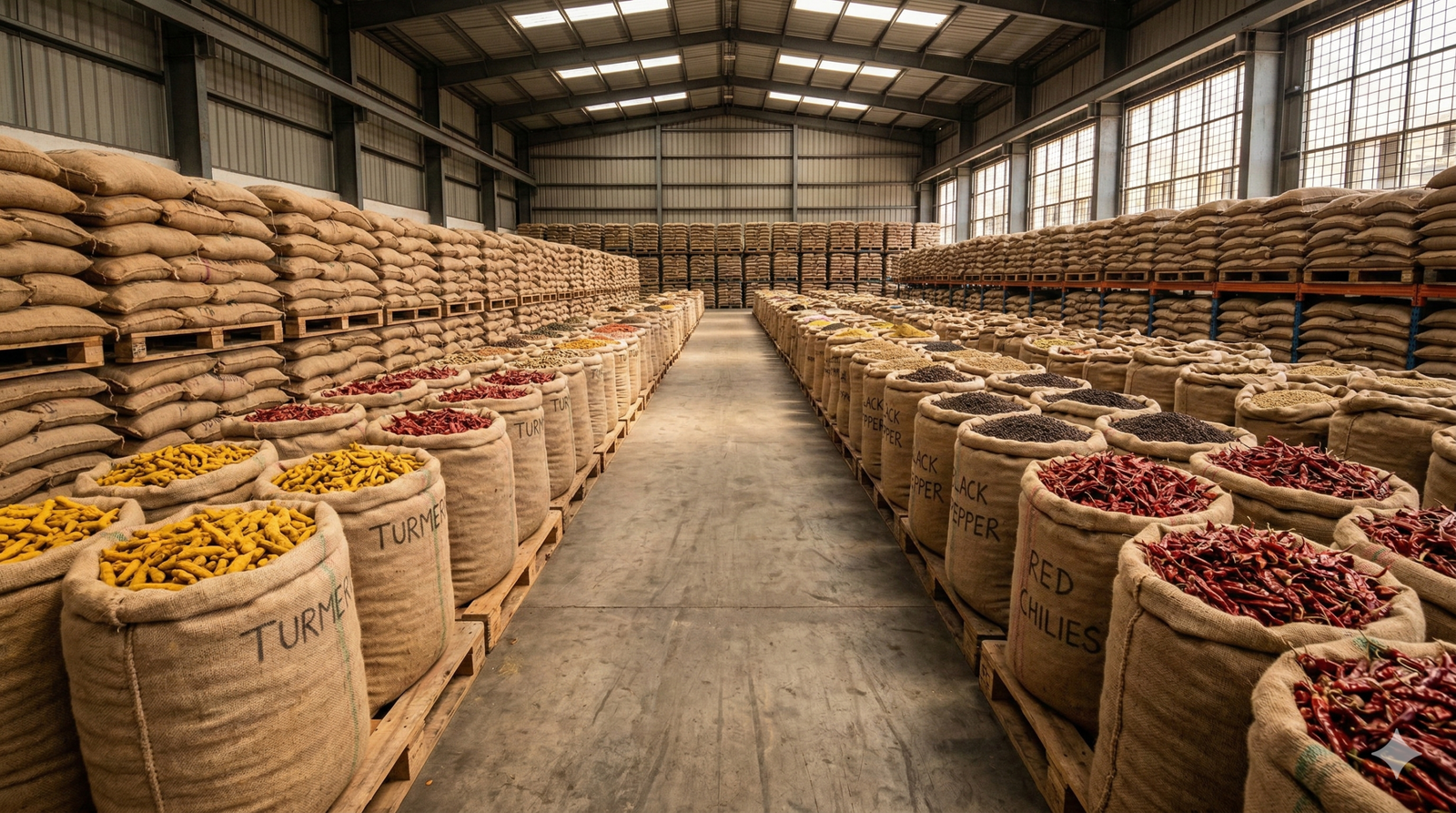
India offers a wide variety of spices suitable for the UK market.
High-Demand Spices:
- Turmeric
- Red chilli
- Black pepper
- Cumin seeds
- Coriander
- Cardamom
Value-Added Products:
- Spice blends
- Powdered spices
- Ready-to-use mixes
Value-added products often provide higher margins.
Packaging and Labelling Requirements
Packaging plays a crucial role in compliance and branding.
Mandatory Labelling Includes:
- Product name
- Ingredients list
- Country of origin
- Expiry date
- Batch number
- Nutritional information
Packaging Tips:
- Use moisture-proof materials
- Ensure airtight sealing
- Follow UK retail standards
Incorrect labelling can lead to product rejection.
Shipping Methods: FCL vs LCL
Choosing the right shipping method affects cost and efficiency.
FCL (Full Container Load):
- Best for large volumes
- Lower cost per unit
- Faster processing
LCL (Less than Container Load):
- Suitable for small shipments
- Shared container space
- Slightly higher cost per unit
Transit Time:
- Sea freight: 20–35 days
- Air freight: 3–7 days
For beginners, LCL is often a safer starting point.
Import Duties and Taxes in the UK
Understanding costs is crucial for pricing and profitability.
Key Costs:
- Import duty (varies by spice type)
- VAT (usually 20%)
- Customs clearance charges
Example:
- Turmeric may have low duty but still attract VAT
Always calculate landed cost before pricing your product.
Cost Breakdown of Importing Spices
Let’s break down the typical cost structure:
1. Product Cost (India)
- Based on quality and quantity
2. Freight Charges
- Sea or air shipping
3. Customs Duties & VAT
4. Handling & Logistics
- Warehousing
- Transportation
5. Miscellaneous Costs
- Documentation
- Insurance
Profit margins depend on controlling these costs effectively.

Quality Control Before Shipment
Never skip quality checks.
What to Test:
- Moisture content
- Purity level
- Color and aroma
- Contaminants
Methods:
- Lab testing
- Third-party inspection
- Sample approval
Quality issues can damage your brand reputation permanently.
Common Challenges in Importing Spices
1. Regulatory Compliance Issues
Solution: Stay updated with UK laws
2. Supplier Reliability
Solution: Work with verified exporters
3. Logistics Delays
Solution: Plan buffer time
4. Quality Inconsistency
Solution: Use strict QC processes
Anticipating these challenges helps avoid costly mistakes.
How to Start Your Spice Import Business
Step-by-Step Process:
- Research market demand
- Register your business
- Obtain EORI number
- Find verified suppliers
- Request samples
- Finalize pricing and order
- Arrange shipping
- Clear customs
- Distribute in UK market
Start small, test the market, then scale gradually.
Private Label Opportunities in Spices
Private labeling is a powerful growth strategy.
Benefits:
- Higher profit margins
- Brand ownership
- Customer loyalty
Requirements:
- Custom packaging
- Branding design
- Consistent supply
Private label spices are highly scalable in the UK market.
Tips to Maximize Profit in Spice Importing
- Buy in bulk to reduce cost
- Focus on high-demand spices
- Build long-term supplier relationships
- Optimize logistics
- Invest in branding
Smart sourcing and positioning are key to long-term success.
Conclusion
Importing spices to the UK in 2026 presents a strong business opportunity, but success depends on execution. From understanding regulations and documentation to selecting reliable suppliers and managing costs, every step matters.
By focusing on quality, compliance, and strategic sourcing, you can build a profitable and scalable spice import business. Whether you’re starting small or aiming for private label expansion, the UK market offers significant potential for those who approach it correctly.